As the chilly winds of winter approach Buda, it's crucial to ensure your home's HVAC system is ready to handle the seasonal shift. Imagine coming home on a brisk evening, only to find your heating system is faulty or inefficient. This scenario is more common than you might think, especially for homeowners who may overlook their HVAC systems during milder months. Preparing your heating system now means peace of mind later, safeguarding your family from the unexpected cold snaps that can hit Buda during winter, particularly after a hot summer.
Why This Matters for Buda Homeowners
The transition from Texas's notorious summer heat and humidity to winter brings its own set of challenges for HVAC systems. As temperatures fluctuate between hot and cold, your heating system must work harder to maintain indoor comfort. In addition to temperature changes, the unique clay soil in Buda puts your home's foundation at risk, which can affect the stability and efficiency of your HVAC system. A compromised foundation can lead to misaligned ductwork or damaged units that require expensive repairs.
Furthermore, Buda's winter season can be unpredictable, with occasional severe thunderstorms bringing rain and wind, which may impact your HVAC setup. Neglecting to prepare your heating system can lead to higher energy bills and increased repair costs, particularly if issues arise during peak usage times.
Tip: Schedule an HVAC inspection before winter arrives to head off any potential issues.
Understanding this seasonal shift and the potential problems it poses is essential for Buda homeowners dedicated to keeping their homes warm and energy-efficient during the winter months.
Expert Solutions & Actionable Tips
1. Schedule a Professional Inspection
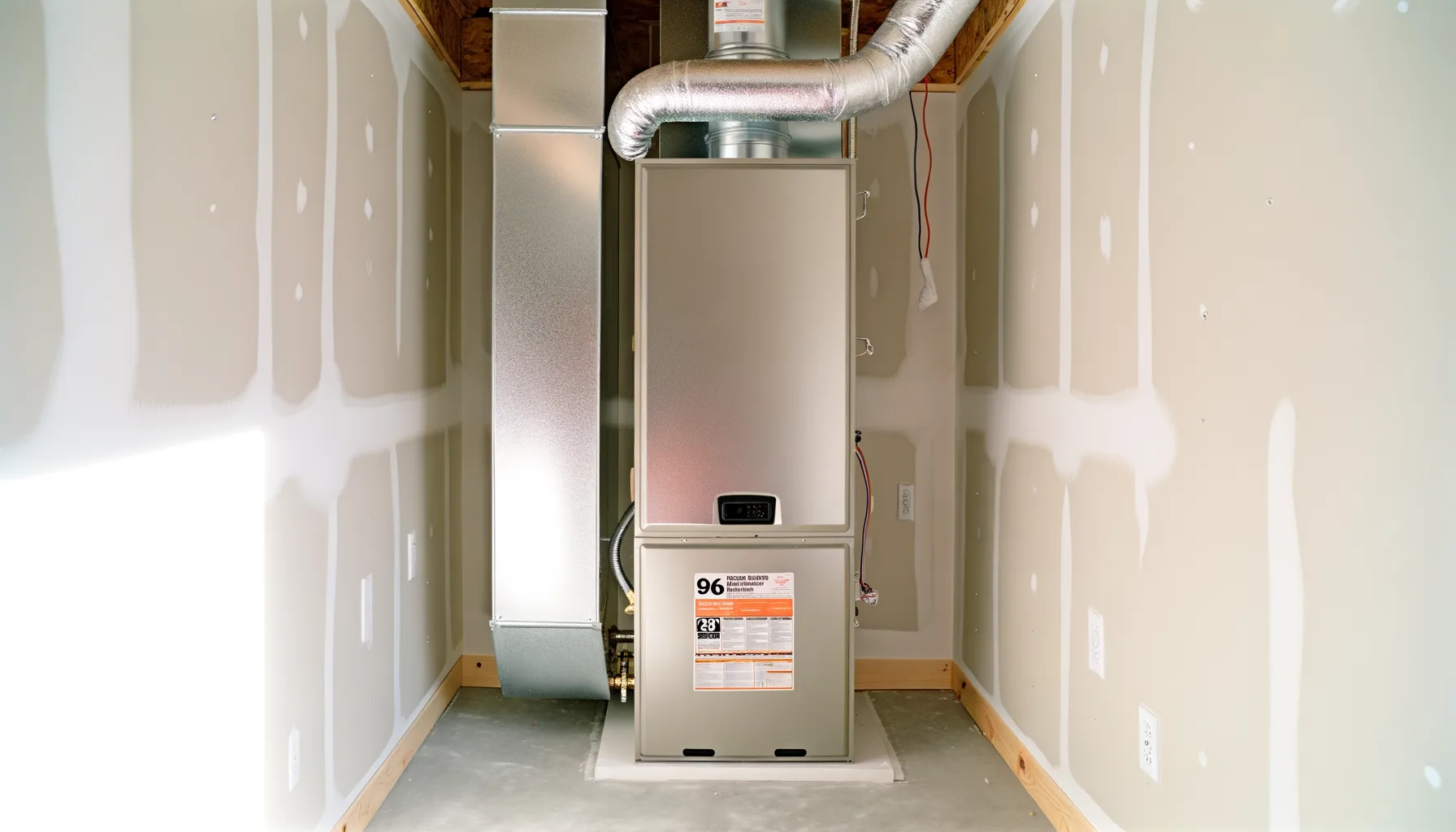
Start your winter preparation by booking a professional HVAC inspection. This service typically costs between $75 and $150 in the Buda area and can help identify issues before the temperatures drop. Technicians will check your system’s overall health, ensuring vital parts like your thermostat, heater, and ductwork are functioning optimally.
With Buda’s clay soil causing foundation shifts, any issues with your HVAC system might be exacerbated during colder months. Taking preventive measures through an inspection can mitigate future breakdowns and unnecessary expenses.
2. Replace Filters Regularly
Changing your HVAC filters is a simple yet effective maintenance task that cannot be overlooked. In Buda, where dust and pollen can accumulate, it's recommended to replace filters every 1-3 months to maintain efficiency. Depending on your filter type, this can cost anywhere from $5 to $30.
Neglecting this task can restrict airflow, forcing your heating system to work harder and leading to higher energy bills and potential component failure. Keep your system healthy and efficient by prioritizing regular filter changes.
3. Seal Drafts and Insulate Your Home
Sealing drafts is critical, especially in older Buda homes that may have poor insulation. Use caulk or weather stripping around windows and doors to prevent cold air from entering. Insulating your attic and walls can significantly reduce heat loss, resulting in lower energy bills.
Investing in insulation can vary widely in cost, typically from $1,500 to $3,500 depending on the area's size and the materials used. However, the long-term savings and comfort improvements are invaluable.
4. Consider a Programmable Thermostat
A programmable thermostat is an investment that can pay off in energy savings. Installing one can cost between $100 and $300, but the benefits are substantial. They allow you to set schedules so that your home is only heated when needed, preventing unnecessary energy waste.
Adapting to your lifestyle helps ensure comfort and reduces energy consumption, making it an environmentally friendly choice tailored to Buda's specific climate.
5. Clear Outdoor Units
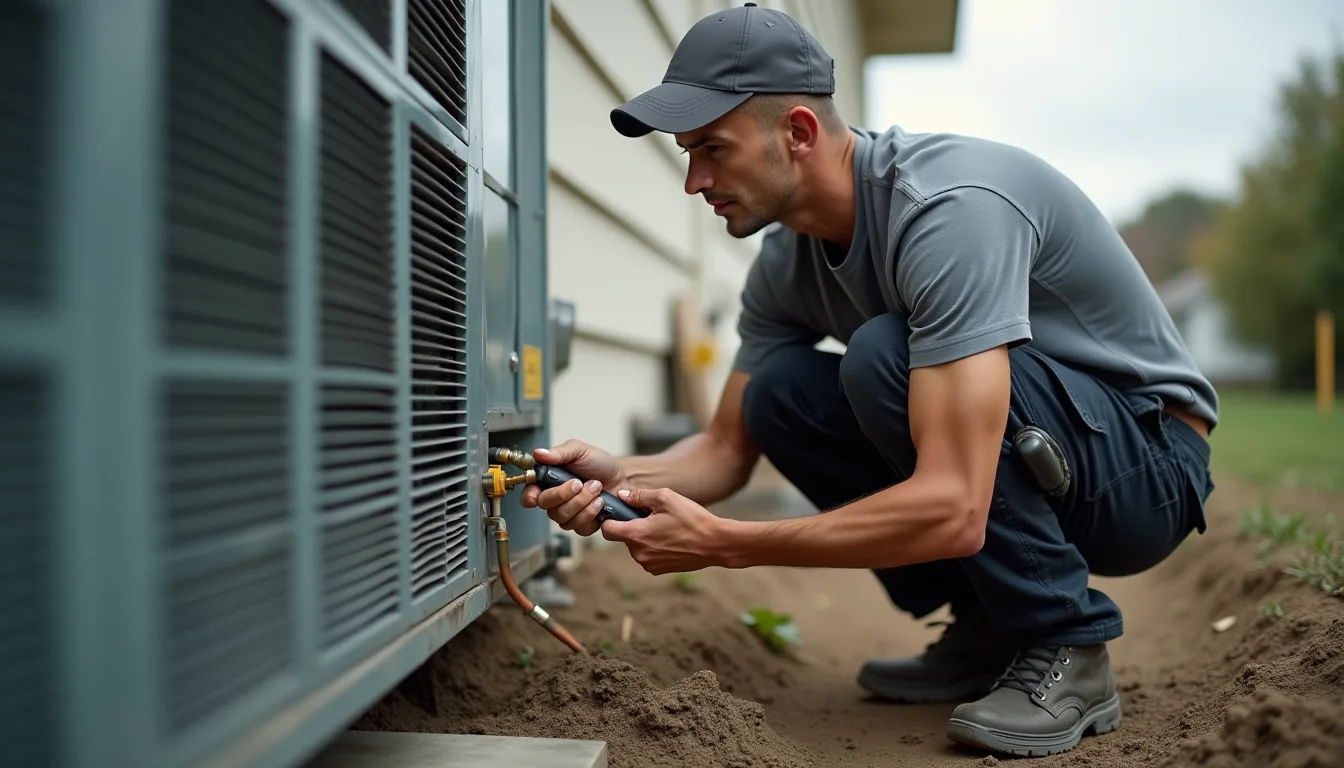
Don’t forget to clear leaves, debris, and snow from around your outdoor HVAC unit in winter. Allowing adequate space for airflow is essential for the system to function correctly. Regularly checking and cleaning your unit helps prevent overheating and mechanical failure.
Neglecting outdoor units can lead to inefficient heating and costly repairs, especially during the unpredictable freeze/thaw cycles common in Buda.
6. Assess and Upgrade Insulation Systems
Older homes in Buda often require insulation upgrades to ensure warmth and efficiency in winter. Assess existing insulation levels in attics and walls, as adequate insulation can save homeowners approximately 20% on heating costs. Upgrading insulation might cost anywhere from $1,000 to $5,000.
Properly insulated homes also improve the overall comfort level by maintaining consistent indoor temperatures despite the chilly winter winds outside.
Buda Climate & Local Context
Buda, TX, experiences a distinct climate that significantly impacts HVAC systems. With extreme heat and high humidity in the summer, homes tend to remain insulated and energy-intensive, while winter demands a shift toward effective heating solutions. Knowing the local weather quirks, like sudden winter storms, helps guide homeowners in their preparations.
Additionally, because of the expansive clay soils characteristic of the area, maintaining your HVAC system is crucial to dodge issues arising from shifting foundations. Local HVAC codes may also dictate specific requirements for heating installations and upgrades, ensuring compliance to maintain safety and efficiency.
When to Call a Professional
Understanding when to tackle HVAC issues yourself versus when to call in professionals is crucial. Minor tasks like changing filters and cleaning outdoor units can often be DIY-friendly. However, tasks involving electrical components or refrigerants should be left to trained technicians.
- Signs of strange noises from your system
- Increased energy bills without changing usage habits
- Heating outputs that are inconsistent
- Visible leaks around the unit
- Burning smells or overheating
- Older systems over 15 years old
- Thermostat malfunctions
- Excessive dust around the vents
Recognizing these red flags can help you maintain your HVAC system properly and extend its lifespan, avoiding costly repairs down the line.
Frequently Asked Questions
What is the average lifespan of an HVAC system in Buda?
In Buda, many HVAC systems last about 15 to 20 years with proper maintenance, though local conditions can affect this longevity.
How often should I service my HVAC system?
It's recommended to have your HVAC system serviced twice a year, ideally in spring and fall, to ensure it's ready for seasonal temperature changes.
Are there any local codes I need to know about before installing a new HVAC system?
Yes, Buda homeowners should check local building codes to ensure compliance when installing new HVAC systems, which may vary based on home age and system type.
How can PlusCold AC Repairs help during the winter season?
PlusCold AC Repairs can conduct thorough inspections and provide fast repairs to ensure your heating system operates efficiently throughout the winter months.
What should I do if my furnace stops working?
If your furnace stops working, first check your thermostat settings and power supply, then call PlusCold AC Repairs to diagnose and resolve the issue promptly.
Get Expert HVAC Service in Buda
As the winter season approaches, being proactive about your HVAC system can lead to comfort and savings. Don’t wait for the cold to catch you off guard. Reach out to PlusCold AC Repairs today at (737) 337-5690 for a thorough inspection and prepare your Buda home for the winter.
Your comfort during winter matters, and PlusCold AC Repairs is here to ensure your HVAC system is fully ready to handle the chill, keeping your family warm and safe year-round.